International Symposium on Artificial Intelligence Driven Computational Fluid Dynamics
Date: January 12-14, 2026
Pre-symposium Workshop: January 10 - 11
Location: IIT Gandhinagar, India
Join leading experts in computational fluid dynamics (CFD) and machine learning (ML) for an interdisciplinary workshop focusing on cutting-edge research and applications.
Regular registration is now closed!
Online Participation Explore moreOverview
IIT Gandhinagar is hosting this international workshop to explore advancements in CFD and ML. The event brings together researchers, academicians, and industry experts to discuss innovative problem-solving techniques.
Topics
Environmental Fluid Dynamics, Integrated Engineering Design, Reacting Flows, Thermal Hydraulics of Nuclear Reactors, Data Center Cooling, Healthcare Applications, Fire Dynamics, Disaster Management, Food Processing, Manufacturing & Material Processing
Venue
IIT Gandhinagar is a leading institution in India, celebrated for its academic rigor, modern infrastructure, and commitment to innovation.
Pre-symposium Workshop
Renowned speakers from academia and industry will share their insights on the latest trends in CFD and ML.
Registration
Register now to secure your spot at the workshop. Early bird discounts available for a limited time.
Overview
IIT Gandhinagar is hosting this international workshop to explore advancements in CFD and ML. The event brings together researchers, academicians, and industry experts to discuss innovative problem-solving techniques.
Topics
Environmental Fluid Dynamics, Integrated Engineering Design, Reacting Flows, Thermal Hydraulics of Nuclear Reactors, Data Center Cooling, Healthcare Applications, Fire Dynamics, Disaster Management, Food Processing, Manufacturing & Material Processing
Venue
IIT Gandhinagar is a leading institution in India, celebrated for its academic rigor, modern infrastructure, and commitment to innovation.
Pre-symposium Workshop
Renowned speakers from academia and industry will share their insights on the latest trends in CFD and ML.
Registration
Register now to secure your spot at the workshop. Early bird discounts available for a limited time.
Overview
IIT Gandhinagar is hosting this international workshop to explore advancements in CFD and ML. The event brings together researchers, academicians, and industry experts to discuss innovative problem-solving techniques.
Objectives
- Foster interdisciplinary collaboration.
- Share state-of-the-art research and methodologies.
- Use modern tools to tackle complex CFD challenges.
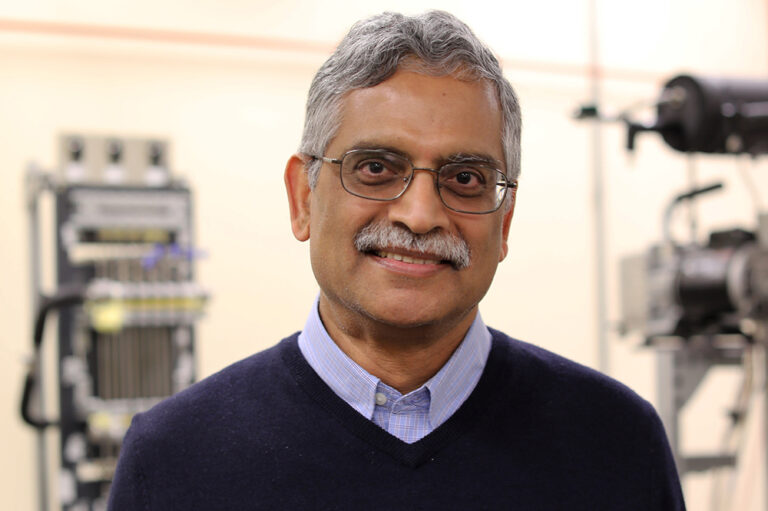

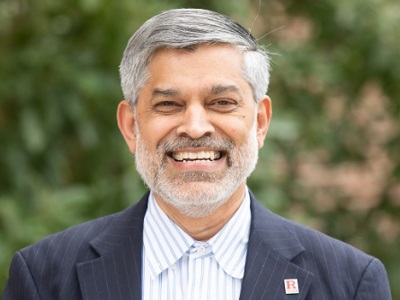


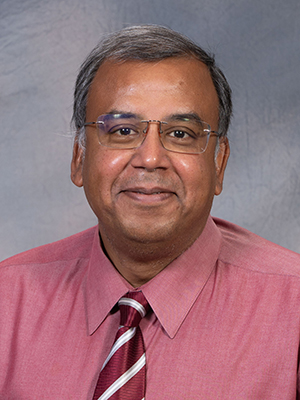
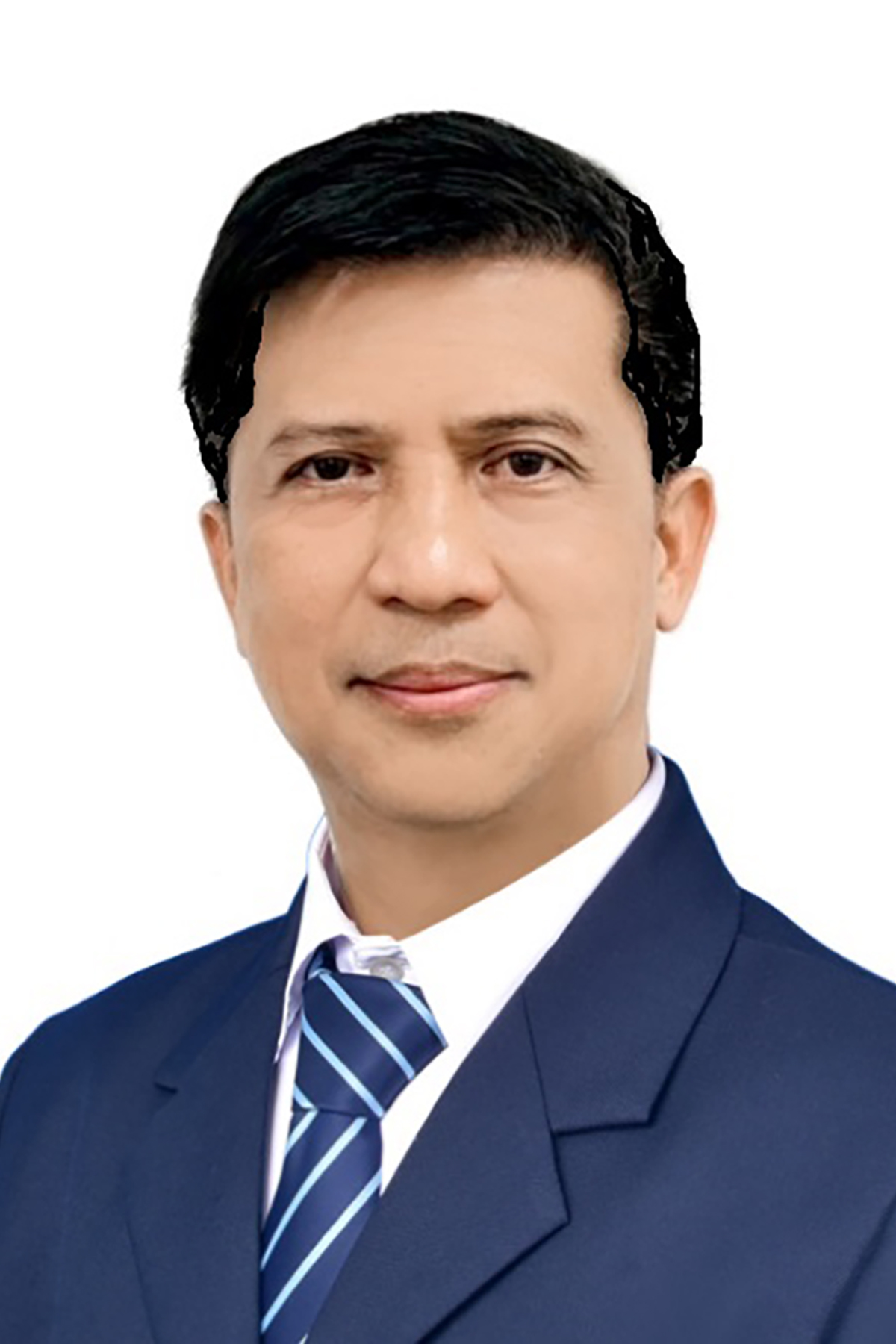




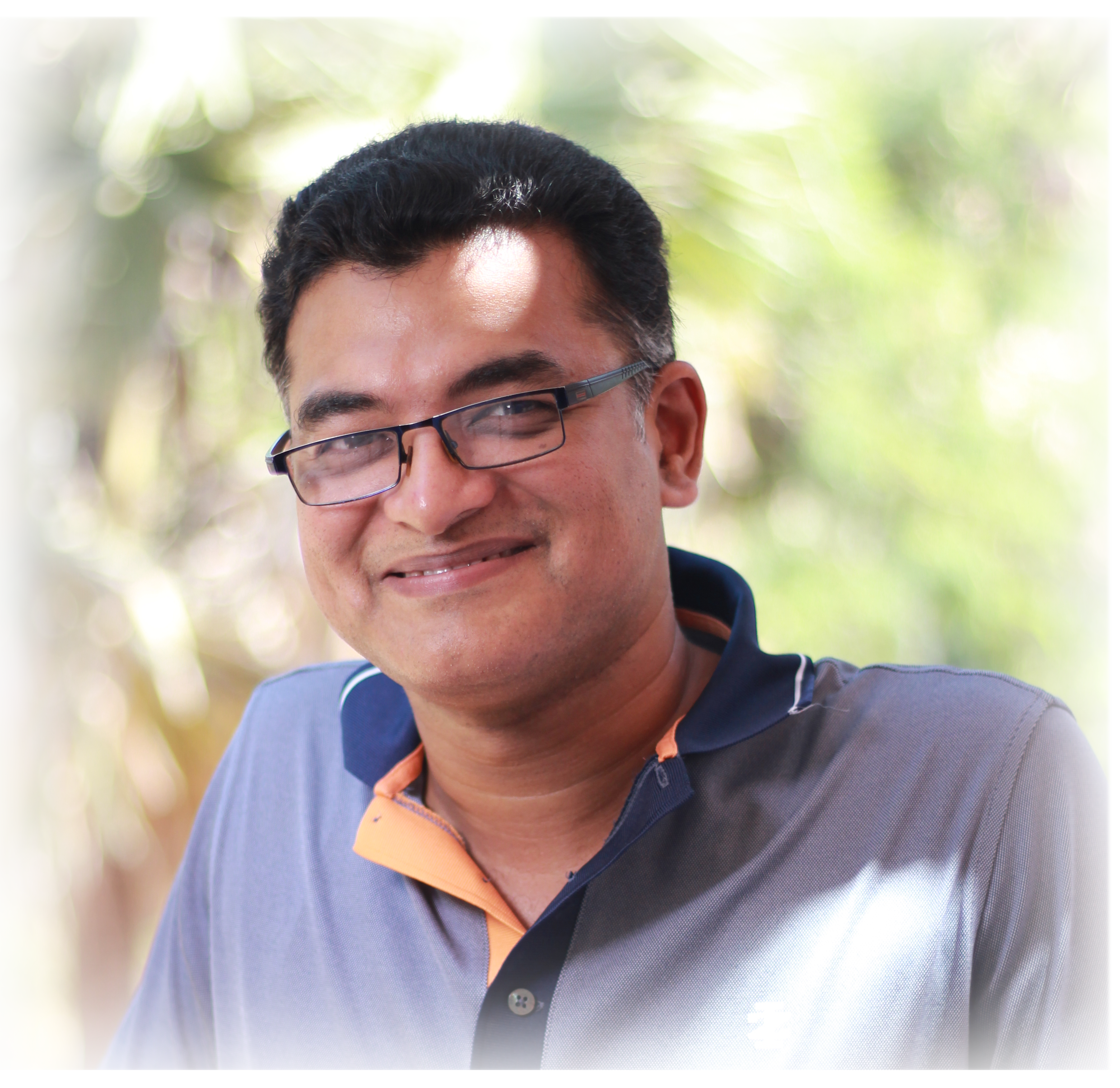
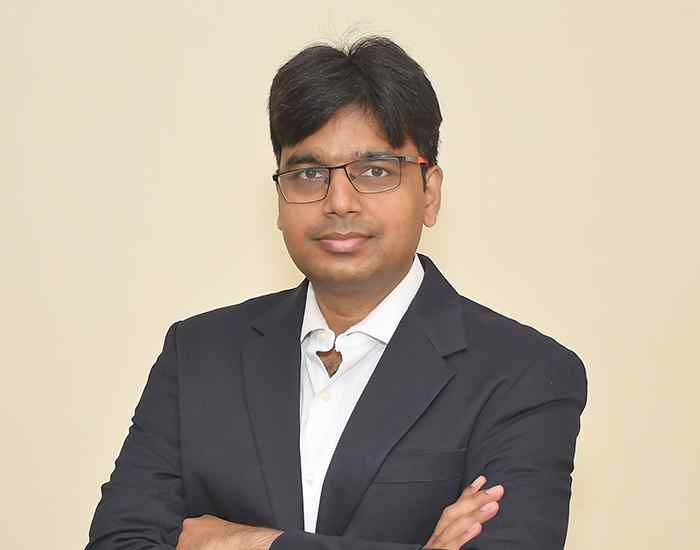

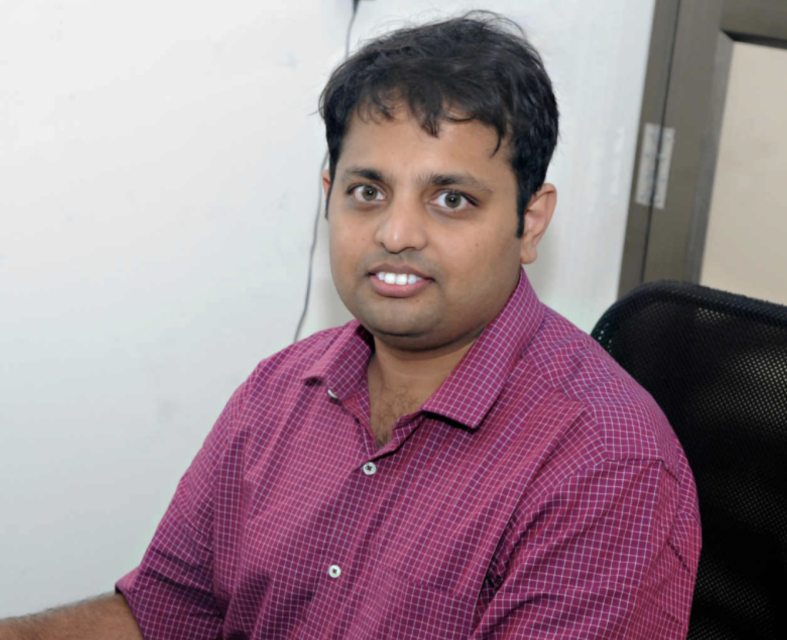


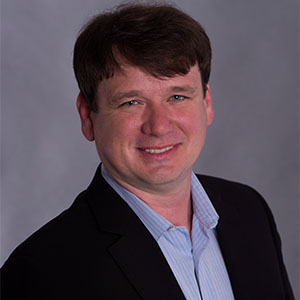
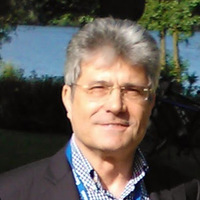


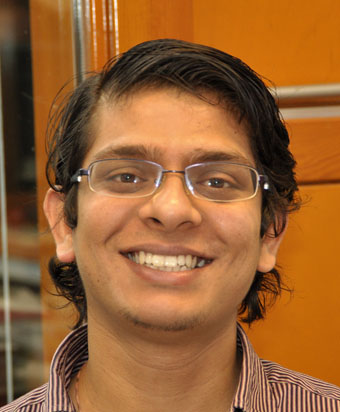

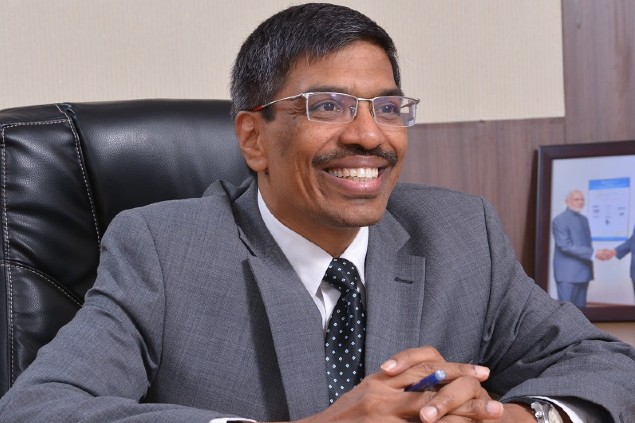
Dr. Srinivas Garimella
Professor
Georgia Institute of Technology
Invited
Speakers List.
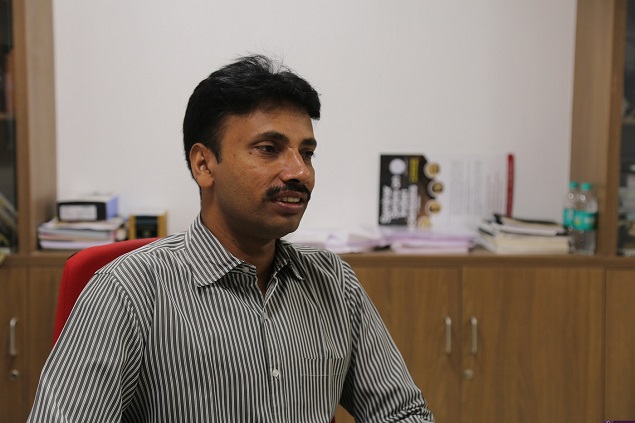
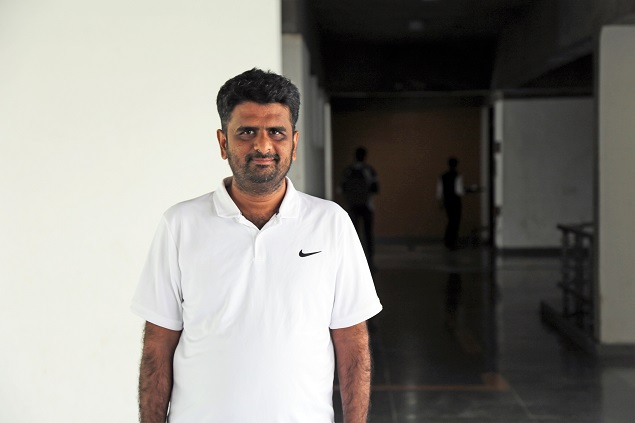
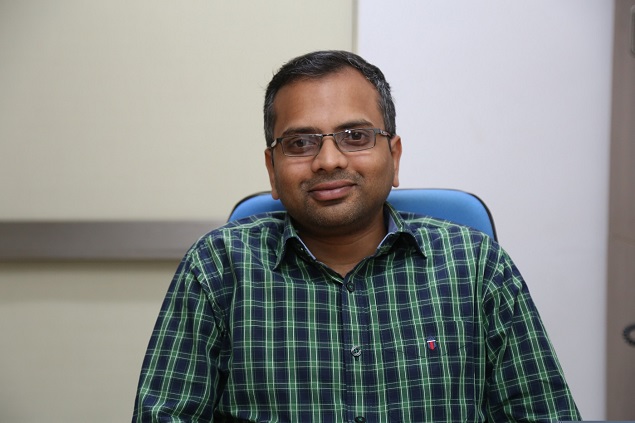
Our distinguished panel of invited speakers will share their expertise and insights
Schedule
Pre-Symposium Workshop & Symposium.
Workshop
Symposium
Day 1 - January 10, 2026
High Performance Computing for Fluid Dynamics
Introduction to HPC for Fluid Dynamics
- Need for High Performance Computing in CFD
- Basics of parallel programming models, CPU vs GPU computing
- Heterogeneous computing architectures
Tea Break
GPU Architecture and Parallel Programming Concepts
- NVIDIA GPU architecture fundamentals: Threads, blocks, memory hierarchy
- Modern Fortran features for HPC
- OpenACC directives
- Hands-on examples: loop parallelization
Lunch Break
Hands-on Programming – Profiling and Optimization
- Profiling tools and methods
- Identifying performance bottlenecks
- Hands-on examples: Matrix multiplication
- Hands-on examples: Pressure Poisson solver
Tea Break
High-Order Methods and 3D Incompressible Flow Solver
- Modern solution algorithms and GPU implementation
- Hands-on demonstration: 3D incompressible flow solver
- Emerging hardware and software trends
- Q&A and discussion
Day 2 - January 11, 2026
Machine Learning for Fluid Dynamics
Overview of Machine Learning for Fluid Dynamics
- Why use ML in CFD: acceleration, closure modelling, and surrogates
- Key ML approaches: supervised, unsupervised, and reinforcement learning
- Typical applications: turbulence modelling, flow prediction, and flow control
- Challenges: data requirements, generalisation, interpretability, and enforcing physics
Tea Break
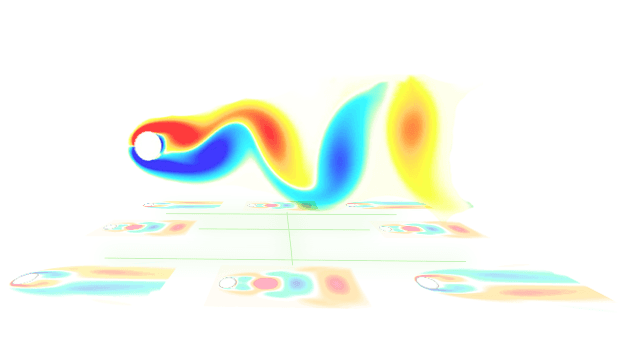
Coherent Structure Identification and Reduced-Order Modelling for Flow Over Bluff Bodies
- Extract coherent structures using POD/DMD for bluff-body wakes
- Reconstruct dominant modes and discuss physical interpretation
- Build simple reduced-order models for unsteady lift/drag dynamics
Lunch Break
Emerging Scientific Machine Learning Methods for Fluid Dynamics
- What SciML adds beyond classical ML: embedding physics and custom architectures
- Overview of PINNs, DeepONet, Neural Operators, and Neural ODEs
- Key use cases: inverse problems, surrogate modelling, digital twins
- Current challenges: training stability, stiffness, and scalability
Tea Break
Solving the Heat Diffusion Equation with PINNs and Neural Operators
- Problem setup for the heat diffusion equation and reference solution
- Implementing a basic PINN: collocation points, physics and data loss, training
- Training an operator model (DeepONet/FNO) and comparing results
- Strengths and limitations of PINNs and Neural Operators
Sponsors
Sponsors of the Workshop
Topics
Topics Covered in the Workshop
Environmental Fluid DynamicsIntegrated Engineering DesignReacting FlowsThermal Hydraulics of Nuclear ReactorsData Center CoolingHealthcare ApplicationsFire DynamicsDisaster ManagementFood ProcessingManufacturing & Material Processing
Instructions for Online Participation
The AI-CFD Symposium will also be conducted in online mode for registered participants at a nominal registration fee. Online participants will receive a Zoom invitation and will be able to attend all technical sessions live. The online format will also provide opportunities to interact with speakers through live Q&A sessions, ensuring meaningful engagement with experts and researchers participating in the symposium.
Regular registration is now closed!
| Category | Fee (INR + 18% GST) |
|---|---|
| IITGN Students | 2,360 |
| Indian delegates (Online) | 2,360 |
| Foreign delegates (Online) | 5,900 |
Poster Session
The Poster Session is an excellent opportunity for students and faculty to showcase their research, innovative ideas, and creative solutions to a wider audience. Whether you are presenting completed work, preliminary results, or visionary concepts, this session encourages knowledge exchange, networking, and collaboration.

Why Participate?
Open for All
Attractive Prizes
Certificates
Internship Opportunities
Venue & Travel
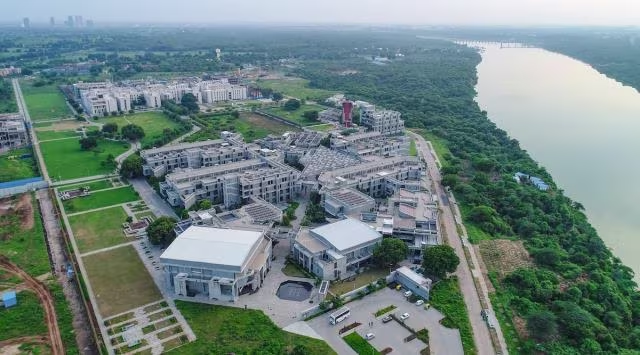
IIT Gandhinagar, located on the tranquil banks of the Sabarmati River in Palaj, Gujarat, stands out as one of India’s leading institutions of higher education, celebrated for its academic rigor, modern infrastructure, and commitment to innovation. The 400-acre residential campus is a harmonious blend of sustainable architecture and natural beauty, featuring lush green spaces, energy-efficient buildings, and thoughtfully designed academic and recreational facilities. It has earned accolades for its environmentally conscious design and inclusive spaces that foster creativity and collaboration. The campus is exceptionally well connected to the Sardar Vallabhbhai Patel International Airport in Ahmedabad via world-class, multi-lane roads, ensuring smooth and convenient access for visitors, faculty, and students alike. January brings particularly pleasant weather to Gujarat, with cool mornings, sunny days, and crisp evenings—ideal for academic retreats, outdoor activities, and cultural exploration. Gujarat itself is rich in historical and cultural significance; it is the birthplace of Mahatma Gandhi and home to remarkable heritage sites like the Sabarmati Ashram, the ancient Harappan city of Lothal, and the intricately designed Rani ki Vav. The state also boasts vibrant festivals, traditional crafts, and a strong legacy of trade and maritime history. The convergence of IITGN’s serene, state-of-the-art campus and Gujarat’s historical and cultural richness creates a truly inspiring environment for learning, innovation, and personal growth.
Indian Institute of Technology Gandhinagar
Palaj, Gandhinagar - 382055, Gujarat
View in google maps
How to reach the campus
IIT Gandhinagar is conveniently accessible from Ahmedabad Airport, located about 20–25 minutes away by road. Visitors can hire a prepaid taxi, app-based cab (Uber/Ola), or an airport rental car directly from the arrival terminal. The usual route follows Airport Road toward Gandhinagar via PDPU Crossroads, leading straight to the IITGN Palaj campus. The roads are well marked, and travel is generally smooth, making the commute quick and convenient at any time of the day. Public transport such as GSRTC airport buses to Gandhinagar is also available, though taxis offer the most direct connection. Clear signboards for IITGN appear along the final stretch, and campus security can assist with directions upon arrival. If you face any difficulty during travel, please feel free to contact the organising team for help.